Complete Guide to Auto Repair Services: Locating a Reliable Car Mechanic in Your Area
Finding a dependable auto mechanic is important for vehicle maintenance and safety. Most vehicle owners encounter frequent repair obstacles that can create costly surprises and aggravation. Understanding the types of services offered and understanding what qualities to seek in a mechanic can greatly impact both efficiency and financial planning. With the right approach, any driver can establish a dependable partnership with a mechanic. Still, the path to discovering that best fit requires careful thought and multiple key steps.
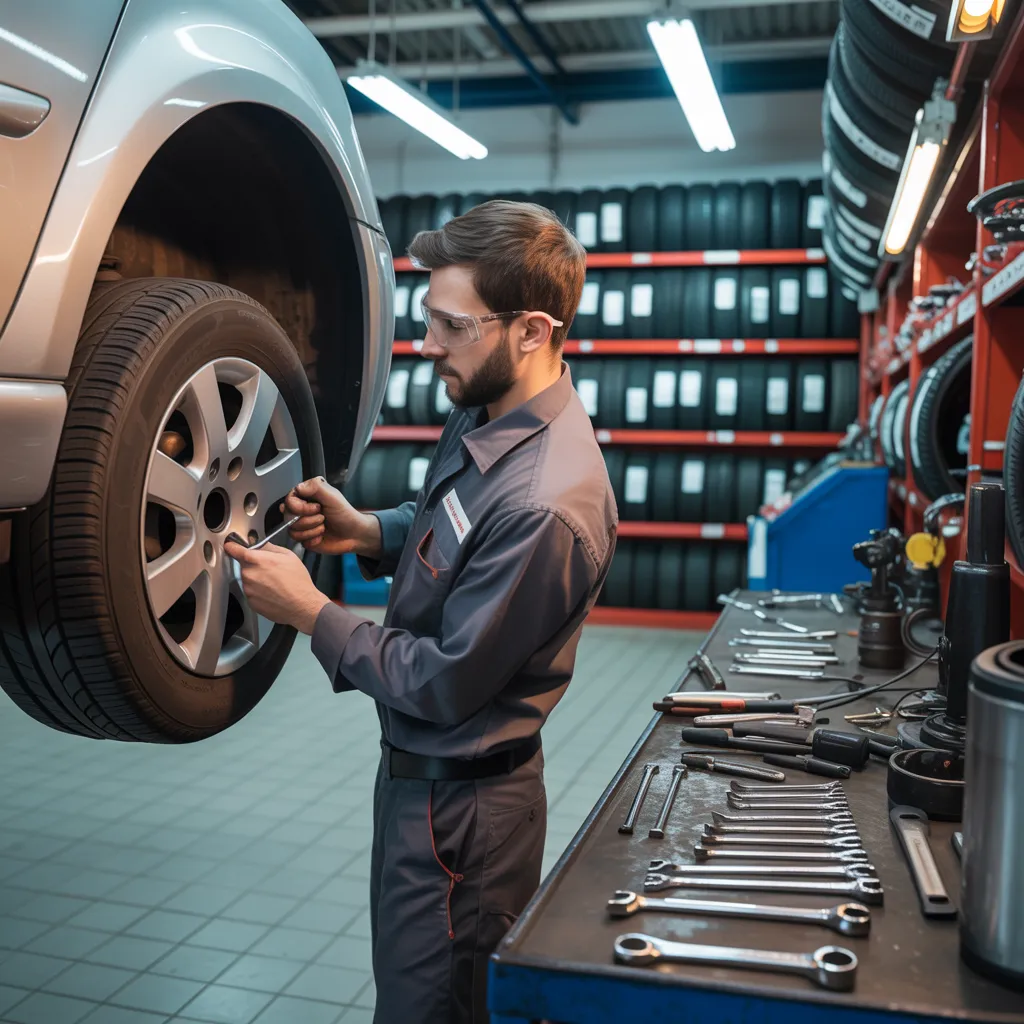
Typical Auto Repair Issues and How to Address Them
What challenges do vehicle owners commonly encounter when looking for repair services? Many individuals encounter a lack of transparency regarding repair costs and services offered. Frequently, quotes may fail to address all possible problems, resulting in unforeseen costs. Furthermore, trust is a major issue; vehicle owners may doubt the credentials of mechanics, worrying they could be overcharged or deceived. Scheduling conflicts can also pose challenges, as busy repair shops may not accommodate urgent needs. Moreover, limited knowledge about common car issues can leave owners vulnerable to unnecessary repairs. To overcome these challenges, research is essential. Reading reviews and seeking recommendations can help identify reputable mechanics. Furthermore, collecting several quotes can offer insight into reasonable pricing. Ultimately, learning about fundamental vehicle upkeep can empower owners, allowing them to communicate more confidently with technicians and make well-informed choices regarding their car's maintenance.
Categories of Car Repairs and Locating the Ideal Auto Mechanic
Vehicle owners need to manage a wide range of repair services, each requiring specific expertise and knowledge. Frequently needed repairs consist of engine diagnostics, brake services, transmission work, and electrical system repairs. Engine diagnostic services focus on pinpointing problems using sophisticated equipment, while brake services focus on guaranteeing optimal safety and performance. Transmission servicing is often complicated, typically demanding highly trained technicians, and electrical system services resolve issues related to wiring and electronic parts.
When seeking an auto mechanic, it is essential to keep in mind the kind of repair needed. Many mechanics focus on specific repair areas, making it necessary for car owners to align their vehicle's particular problems with the mechanic's skill set. Furthermore, knowledge of the vehicle's make and model can improve the overall repair experience. By understanding the types of repairs and choosing the best auto mechanic, car owners can ensure their cars get the proper attention, leading to enhanced reliability and longevity.
What to Look For in a Reliable Auto Mechanic
When looking for a reliable car mechanic, how can one guarantee they are making the right choice? Key factors to evaluate include customer reviews, certifications, and experience. A trustworthy mechanic typically possesses certifications from recognized organizations, indicating they have undergone proper training and adhere to industry standards. Furthermore, experience serves a critical function; a mechanic who has worked in the industry for several years will probably demonstrate greater familiarity with different vehicle types and problems.
Customer reviews give helpful details into a mechanic's trustworthiness and work quality. Good feedback and elevated scores can indicate a dependable expert. Additionally, openness about costs and straightforward communication are important characteristics. A dependable mechanic should provide detailed estimates and explain repairs in understandable terms. Finally, a strong guarantee on parts and workmanship can indicate confidence in their work, providing the vehicle owner with confidence and security.
How to Research Local Mechanics Effectively
What are the best ways to research local mechanics to ensure a smart decision? To begin, making use of online resources is key. Sites like Yelp and Google Reviews supply user feedback and scores, related information offering valuable insight into mechanics' credibility. Moreover, social media networks can be useful in pinpointing nearby options and amplifying community endorsements.
One more powerful strategy entails seeking referrals from friends or family, as firsthand experiences frequently provide reliable recommendations. Exploring local automotive forums can also turn out to be quite helpful, where automotive aficionados discuss their encounters and offer guidance.
Once a few potential mechanics are identified, verifying certifications and memberships with professional organizations, such as the Automotive Service Association (ASA), can strengthen trust in their credentials. Additionally, visiting the facilities in person allows for evaluating cleanliness, organization, and customer service, which further guides the decision-making process. Conducting comprehensive research ensures that individuals are able to select a mechanic who fulfills their needs and expectations.
Essential Questions to Ask Your Mechanic?
When searching for vehicle repair services, it is essential to ask the right questions to secure excellent care. Inquire about the technician's qualifications and experience, as well as the specific services they offer and their pricing model. Such questions can help clarify expectations and build trust in the repair process.
Background and Qualifications
Selecting the right mechanic can significantly influence a vehicle's reliability and lifespan. When assessing potential mechanics, it's important to look into their qualifications and experience. Potential customers should ask how long the mechanic has been in the field and whether they have expertise in specific vehicle models or makes. Additionally, certifications from recognized organizations, such as the National Institute for Automotive Service Excellence (ASE), can indicate a mechanic's commitment to professional standards. Inquiring about ongoing professional development is also beneficial, as it highlights a mechanic's commitment to staying informed about the latest repair techniques and technology. Lastly, consulting reviews and referrals can offer important information about a mechanic's skill level and reliability.
Services Offered and Pricing
Recognizing the variety of services provided and their corresponding costs is essential for all vehicle owners seeking trustworthy vehicle maintenance. Automobile owners should inquire about specific services such as oil changes, brake repairs, tire rotations, and diagnostic evaluations. It is critical to request a detailed breakdown of fees, including components and workmanship. Clear pricing can eliminate unforeseen charges and build trust. Additionally, clients should explore whether the mechanic provides service guarantees, as this can demonstrate their commitment to quality. Comparing prices between nearby mechanics can assist in identifying fair rates. At the end of the day, asking these key questions ensures that vehicle owners arrive at educated choices regarding the servicing and care of their automobiles.
Indicators of a Reliable Auto Repair Shop
A reliable auto repair shop demonstrates several important characteristics that distinguish it from less reliable establishments. First, transparency is crucial; a reliable shop presents clear, detailed estimates and explains the needed repairs without using technical jargon. Additionally, customer feedback and referrals play a significant role; positive feedback from previous clients commonly reflects a commitment to quality service.
Another important sign is the presence of qualified professionals. Garages hiring ASE-certified mechanics exhibit a degree of skill and professionalism that strengthens credibility. Furthermore, a reputable auto repair shop upholds a neat and orderly setting, demonstrating its focus on excellence and thoroughness.
Lastly, a reputable service center focuses on customer service, ensuring that individuals feel valued and heard. This includes checking in on repairs and resolving any issues in a timely manner. As a whole, these traits build an environment where customers can feel certain about the standard of service delivered.
Why Consistent Maintenance and a Skilled Mechanic Make a Difference
Routine maintenance plays a vital role in increasing the longevity of your vehicle and guaranteeing top-level performance. A reliable mechanic not only offers consistent service but also spots underlying concerns before they become serious, ultimately leading to cost-effective repairs. Recognizing these elements underscores the importance of a proactive approach to car care.
Advantages of Preventive Maintenance
Consistent preventive maintenance can greatly extend a vehicle's service life and improve its performance. Regular inspections and timely services, such as fluid changes and tire rotations, help identify potential issues before they escalate into expensive repairs. This preventive approach not only saves money but also ensures the vehicle runs efficiently, enhancing fuel economy and lowering emissions. Additionally, following a scheduled maintenance plan can maintain the manufacturer's warranty, offering extra peace of mind. A properly maintained vehicle is also safer, as preventive inspections can address essential components like brakes and steering. Ultimately, routine maintenance builds reliability and improves the driving experience, making it critical for vehicle owners to focus on these services.
Why a Trustworthy Mechanic Matters
Frequently underestimated, the value of having a trustworthy mechanic is truly immeasurable. A dependable mechanic acts as an critical partner in vehicle ownership, providing not only professional knowledge but also peace of mind. Regular maintenance performed by a qualified expert helps reduce the risk of sudden repairs and increases the lifespan of your car. Trustworthy mechanics build connections based on honesty and open dialogue, ensuring that drivers are made aware of necessary repairs and maintenance schedules. This creates an atmosphere where customers are assured in their choices, preventing the drawbacks of unreliable repairs. In the end, a trusted automotive professional is indispensable, helping to maintain vehicle safety and performance while reducing long-term hassle and expenses.
Economical Repairs Summary
Regular maintenance significantly lowers the overall cost of maintaining a vehicle. Consistent evaluations and minor adjustments can prevent significant issues that lead to pricey mechanical failures. A skilled technician not only spots concerns ahead of time but also offers superior care, guaranteeing that fixes are completed correctly from the start. This proactive approach lowers the likelihood of ongoing concerns and extends the life of your vehicle. Additionally, building an ongoing partnership with a dependable technician fosters transparency regarding repair costs and necessary services. Through committing to routine upkeep and choosing a trustworthy technician, drivers can benefit from a better driving experience and possibly avoid hundreds or even thousands in repair costs. Committing to regular servicing is essentially a sound economic strategy for every car owner.
Popular Questions We Receive
How Do I Get a Cost Estimate Before My Repairs Are Done?
To secure a price estimate before repairs commence, people should ask for comprehensive quotes from several auto repair shops, requiring them to supply a thorough outline of parts and services. This method encourages sound decision-making and ensures accountability.
What Types of Warranties Do Auto Repair Shops Usually Provide?
Auto repair shops typically offer warranties covering both parts and labor, ranging from 30 days to several years. Warranty coverage differs from shop to shop, so customers should inquire about specific terms and conditions before authorizing repairs.
What Signs Should I Be Aware of Before Taking My Car to a Mechanic?
Before taking your car to a mechanic, one should watch for unexpected noises, alert lights, fluid leaks, reduced vehicle performance, or excessive vibrations. These signs indicate underlying problems that call for professional inspection to ensure your vehicle remains safe and dependable.
How Often Should I Have My Car Serviced?
Most experts recommend servicing a car every 5,000 to 7,500 miles, or at least twice a year. Routine upkeep helps ensure peak performance, boosts overall safety, and prolongs the vehicle's lifespan, making it essential for car owners.
What Payment Options Are Available at Most Auto Repair Shops?
The majority of auto repair shops provide multiple payment alternatives, which include credit/debit cards, cash, checks, and financing plans. Certain shops may additionally accept digital payment applications or offer installment payment plans to accommodate customers' financial needs and preferences.